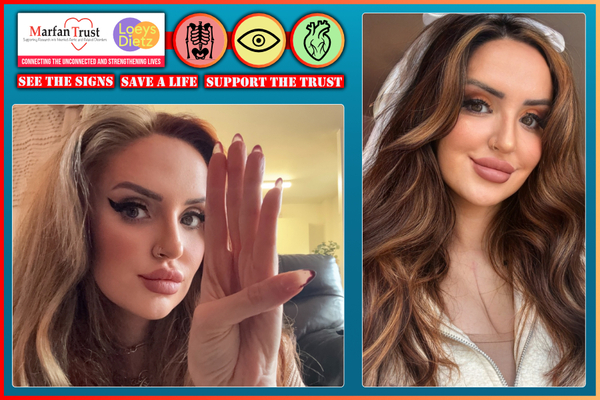
Growing up with Marfan syndrome brought tricky transitions and mixed emotions for Zoe, who was originally told she had Ehlers-Danlos. Support has been uneven, but she has found her niche and is now flourishing as a fine artist, translating medical reality into emotional and physical landscapes with stunning results. Read her story:
From Inheritance to Intention
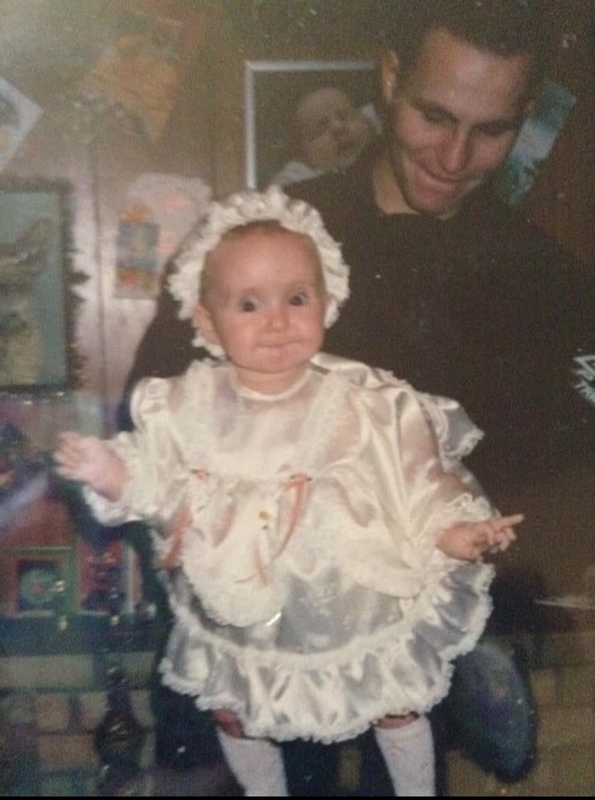
It all began when I was born. My mam described me as a “floppy baby”, long, fragile, and loose-limbed. From the moment I came into the world, she knew something wasn’t right. But every concern she raised was dismissed, with doctors telling her she was simply being neurotic.
I was three when we finally had an answer. An eye specialist noticed something abnormal, a blue tinge to the sclera around my lenses. She recognised it immediately as a sign of a connective tissue disorder. That was when I was diagnosed with Ehlers–Danlos syndrome

As I got older, things became increasingly difficult. In primary school I needed specialist equipment that made me stand out — and not in a good way. I had weekly physiotherapy and regular occupational therapy appointments, with daily exercises like the wobble board and strength work. Some weeks, the physiotherapist even came into school to work with me.
The occupational therapist provided specialised equipment to help me eat and prepare food, but school remained challenging. I was growing at a noticeable rate; even the teachers were fascinated, measuring me against the wall every week in front of the class.
The chairs became too small for me to stand up from, and I struggled with writing and walking around the school. To help, I was given a slanted writing board, a height-adjustable chair, and a specialised pram adapted to my height so I could move around the school grounds. In the playground, a SEN worker pushed me around while other children played.
Primary school gave me so much support, and at the time I simply thought I was special, that was why I received so much attention and care. But as I became a teenager, that feeling changed. I grew embarrassed, then mortified by the attention, because all I wanted was to fit in.
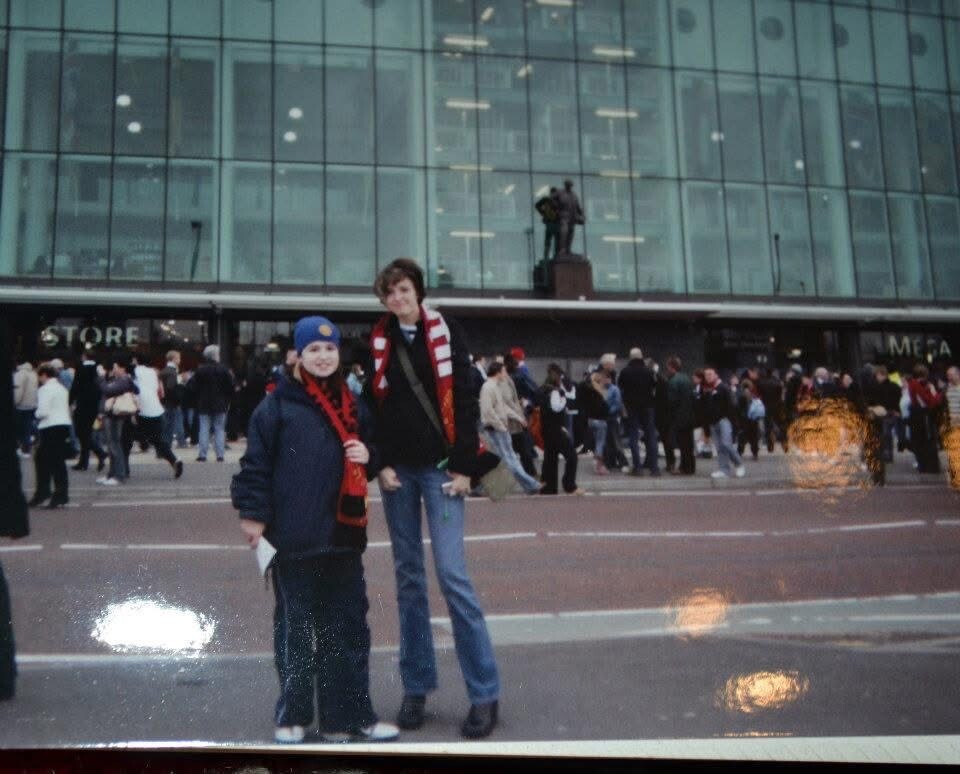
High school was a very difficult time for me, especially in the beginning, when there was very little support in place. What followed was a long battle with the education system, during which my mum fought tirelessly to secure the support I needed to succeed. With the help of SNAP Cymru, she was able to gather the appropriate provisions that allowed me to finally begin to excel at school.
We also received support from a British Heart Foundation nurse, which proved hugely beneficial. Ann German, the Heart Foundation nurse, came into school to deliver a presentation to staff about Marfan syndrome and the importance of adapting education to meet my needs. As a result, I was exempt from physical education during full-contact sports and cross-country activities.
In the classroom, I was initially provided with a basic typing device by the occupational therapist to take notes. This was later replaced with a laptop, which allowed me to type during lessons, draw graphs, and zoom into my work to accommodate my eyesight.
I was also given a locker to store my school bag, so I didn’t have to carry heavy items between lessons. During exams, I received 25% extra time and was permitted to use a laptop after being formally assessed and supported by a SEN co-ordinator.
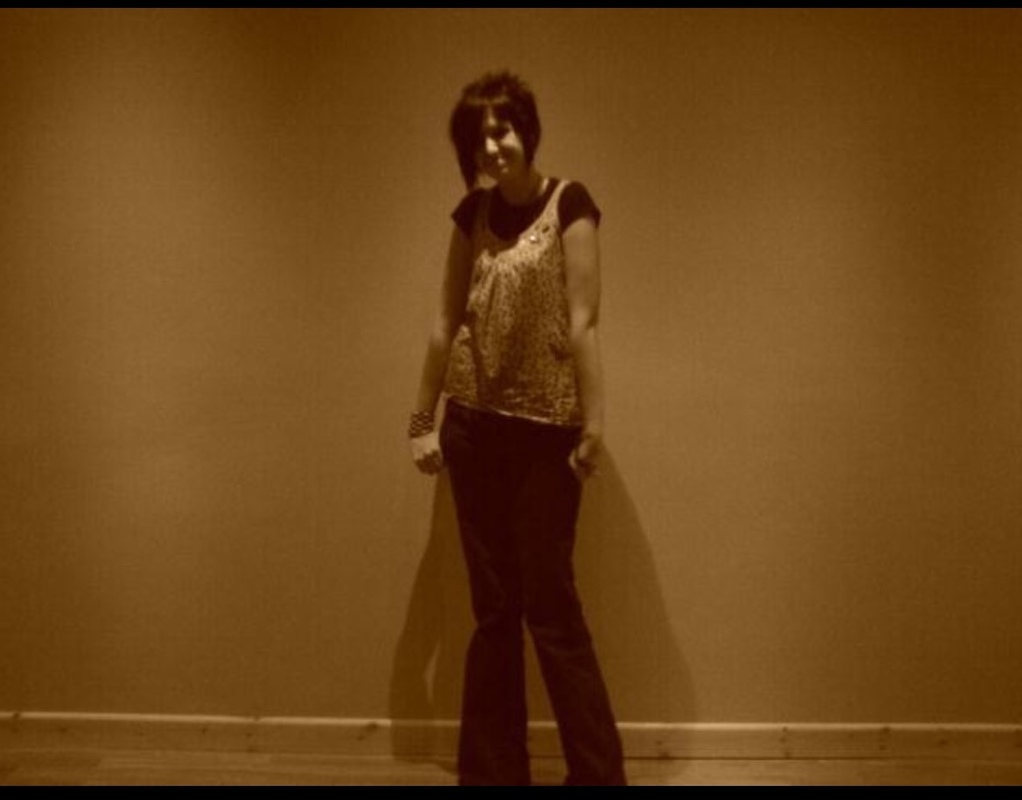
Outside of school, I was supported by the Family Trust Fund, which provided me with a laptop to help with homework and independent study.
Even with all of this support in place, I was bullied verbally, physically, and mentally. Teenagers can be cruel, and I was targeted relentlessly for being so tall and thin.
At the age of twelve, I was referred to a heart specialist, where I received a diagnosis of Marfan syndrome. I found it incredibly difficult to accept. I had always believed (as had my family) that I had Ehlers–Danlos syndrome, and I resisted the new diagnosis for a long time.
As I got older, I began to realise that acceptance was necessary, even though it terrified me. Doctors described me as a “ticking time bomb” if I didn’t receive regular cardiac check-ups, and the weight of that knowledge was hard to carry at such a young age.
I went to university at eighteen to study a foundation art and design course, but I struggled more than ever to feel like a “normal” student. I lived in a studio apartment, isolated from others on my course, and I had no academic or disability support in place. Without that support, continuing my studies became overwhelming, and I left the course after the first term.
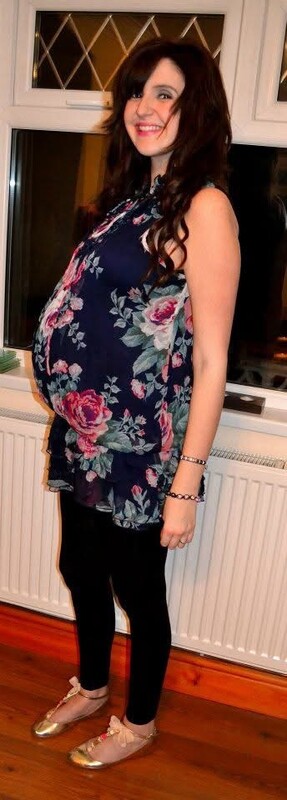
At nineteen, I fell pregnant with my daughter, Sofía. She was an unexpected blessing, but the experience was also terrifying. I was nineteen when I learned I was pregnant, and despite my cardiologist’s concerns, I chose to continue with the pregnancy, because regardless of the odds, I knew I would love and cherish her.
Throughout the pregnancy, I lived with the fear that my child might inherit Marfan syndrome, knowing there was a fifty–fifty chance. I was offered non-invasive prenatal testing (NIPT) but declined, choosing instead to have my daughter tested after birth.
My pregnancy was closely monitored. I had regular echocardiograms and ECGs and was admitted to hospital every two to three months for cardiac checks and foetal scans.
I was advised to have a natural birth, but due to my family history, I chose to have a caesarean section. During the procedure, I was well supported, with cardiologists present alongside the midwives. The anaesthesia was difficult; two epidurals failed, and a spinal block was attempted as a last resort. I was warned that if it didn’t work, I would need general anaesthetic. Fortunately, after repositioning me and adjusting the table, the spinal block finally took effect.
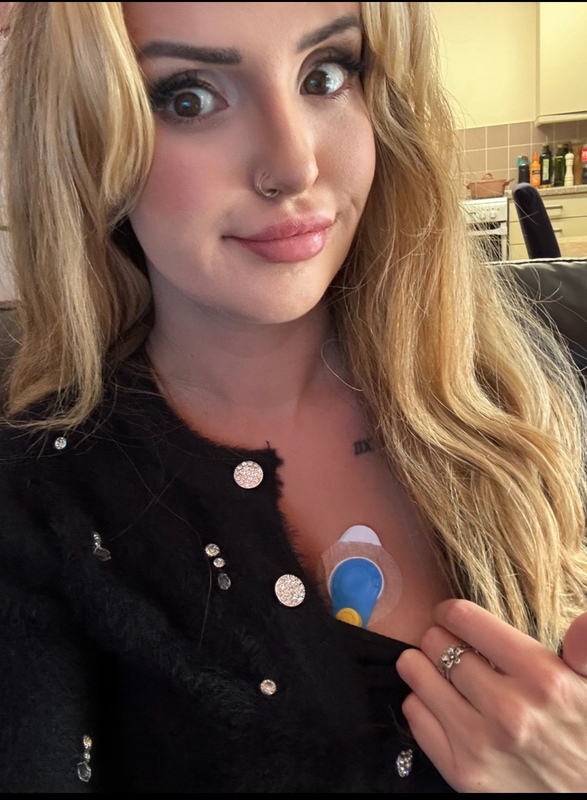
By the time I was twenty-two, i learnt that university had much more support to offer disabled students and decided re-enrol to a different university and live at home with my young daughter. I received Disabled Students’ Allowance (DSA), which provided specialist equipment, additional travel support, and other disability-related study adjustments, such as printing extra copies of work for proofreading.
I was given a dictaphone to record lectures so I didn’t have to type at the pace expected during classes, as well as a laptop with all the required software for my course, including Adobe Photoshop. When coursework involved lino printing and wood carving processes I couldn’t physically carry out, I was supported to draw my designs while receiving assistance with the carving itself.
I was granted extensions on coursework deadlines, giving me extra time to complete my work. During the course, I underwent varicose vein removal surgery, and when the initial extensions weren’t enough, I applied for further adjustments, providing medical statements and photographic evidence to receive additional time.
I was also allocated a parking space close to campus so I wasn’t required to walk long distances. The university was highly accessible, with wheelchair access and lifts throughout.
Compared to high school, university offered far more in terms of meaningful support for disabled learners, and that support was instrumental in allowing me to excel on my course.
Fast forward to now, I am thirty-three years old and have recently undergone a valve-sparing aortic root replacement (VSRR), earlier than expected. My first pregnancy was difficult, but today I am on a hopeful and carefully planned journey toward having a second child.
I am currently undergoing preimplantation genetic testing (PGT) IVF, which in my case involves screening embryos to remove the Marfan gene before implantation. After everything my body has endured, this process represents not fear, but choice, control, and the possibility of a safer future.
I am now a freelance artist whose practice centres on living with connective tissue disorders, including Marfan Syndrome and Ehlers-Danlos Syndrome. My work is rooted in abstraction, using oil paint and mixed media to explore fragility, resilience, and the lived experience of a body in flux. Through layered surfaces and intuitive mark-making, I translate medical reality into emotional and physical landscapes.