Daisy's Story
When Marfan syndrome is a family affair
I decided to join Marfan Trust as a volunteer because this is a charity I can absolutely relate to.
All of my life I have had annual echocardiograms and check-ups, which all started from a stroke of luck in 2001, a few days after I was born, where my paediatrician considered Marfan Syndrome, because I had slightly longer fingers than usual for a baby.
It was then found in an echocardiogram that I had aortic valve regurgitation, known more commonly as an aortic leak. I have since been on medication to control my blood pressure. This discovery at birth led to the same condition being found in my Mum, who was then subsequently given medication and annual check ups for the condition.
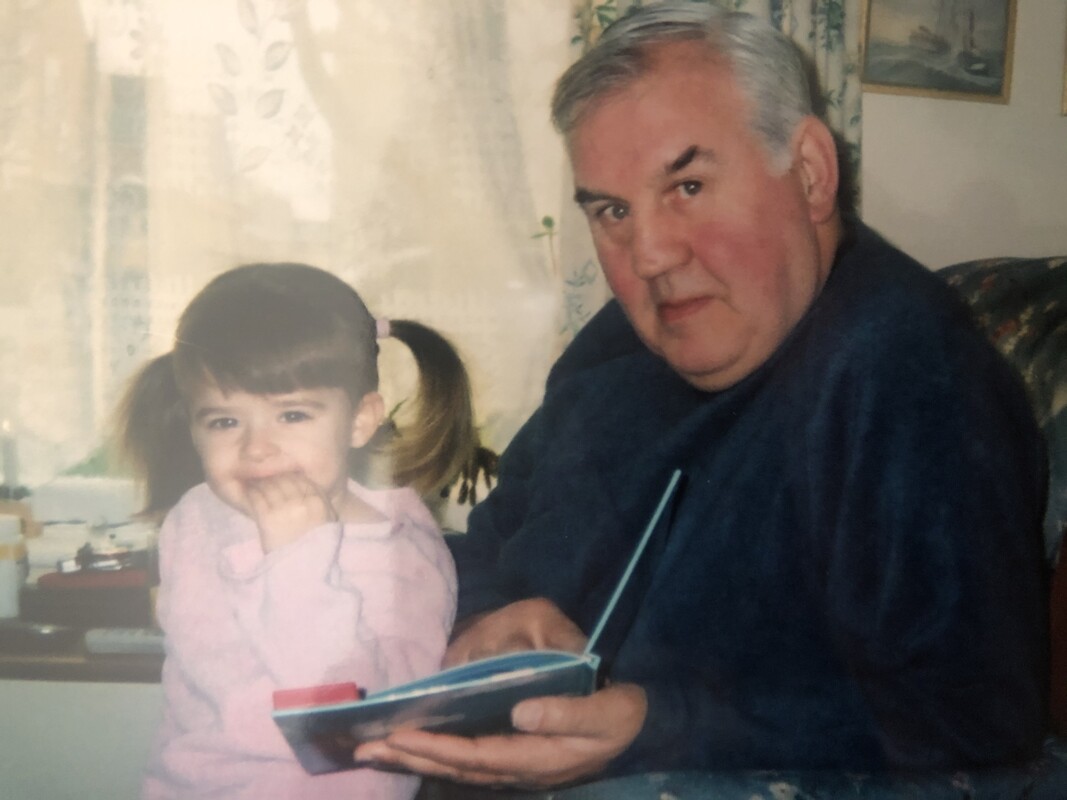
My Grandad, aged around 56 at the time of my birth, began treatment for Marfan Syndrome with medication and he had an operation when I was very young. My Grandad sadly passed away in 2021 and we all do miss him dearly. I would say my Grandad's passing is a big part of my motivation for taking on this role is to help prevent more lives being cut short.
Marfan Syndrome was originally suspected in my Grandad’s late twin sister, long before I was born. As a result, my Mum, Auntie Tracey and Grandad went for testing at their local GP, but there was very limited information on the condition at the time, and no diagnoses or follow-ups took place.
In 2003, my Auntie Tracey had heart surgery to repair her faulty mitral valve, which was discovered by the GP. She does still have an aortic leak, but like mine, it is checked regularly and not of great concern as long as it stays a manageable size.
In 2024, I had my official diagnosis and later that year my Mum had open-heart surgery - she had her aortic root replaced but her valve was able to be repaired, as the surgeon thought this may need replaced too. I am an only child, and very close to my Mum and Dad, so this was a very challenging time for us. However, it is amazing that she is doing so well now. My Mum is a very big inspiration to me, as she was so brave and resilient before, during and after.
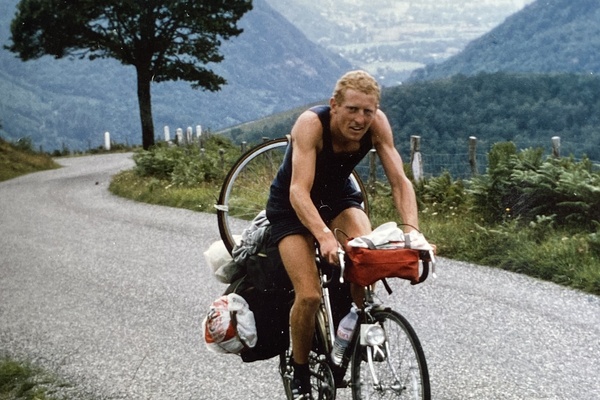
[pictured: Daisy with her late Grandfather]
I find ongoing medical advancements into Marfan Syndrome research and treatment so fascinating. My diagnosis wasn’t a surprise, as it was suspected for all of my life, however it was difficult nonetheless. I was so grateful though, that I could be tested and have it confirmed, to show that the treatment I have been receiving was correct and was working. I find it so clever and reassuring for my future now that patients can adopt IVF to detect and isolate healthy embryos from the faulty gene that causes Marfan Syndrome.
I would like to help spread our message to those who may not know much about Marfan Syndrome and other connective tissue disorders, if at all. I would also like to reach other young people who may have feelings like confusion and isolation due to their, or a loved one’s diagnosis, and what it may mean.
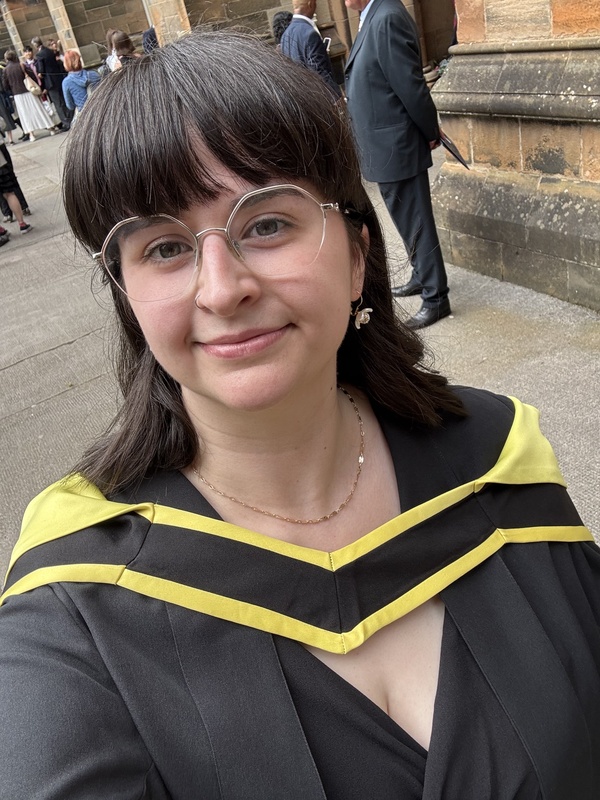
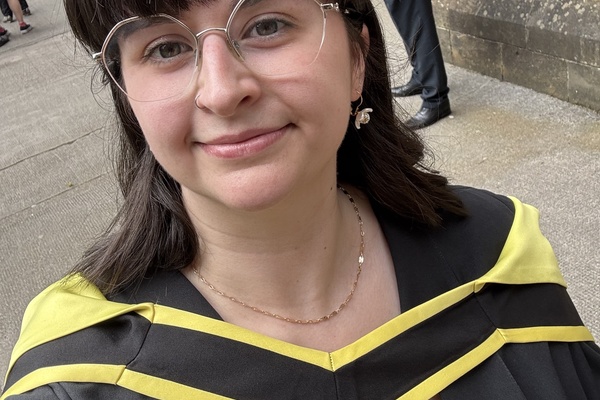
I just graduated last week with a Master's degree in Marketing, which I am so proud of. I currently work as a charity shop manager, with a team of around 35 volunteers. I have a collection of over 70 records and most Mondays I go to a local pub quiz with my friends. In my spare time I love reading, going to gym classes, going out for coffees and rummaging through other charity shops. Some may call it filling my flat with things I do not need but I prefer the term “scouting my competition”!
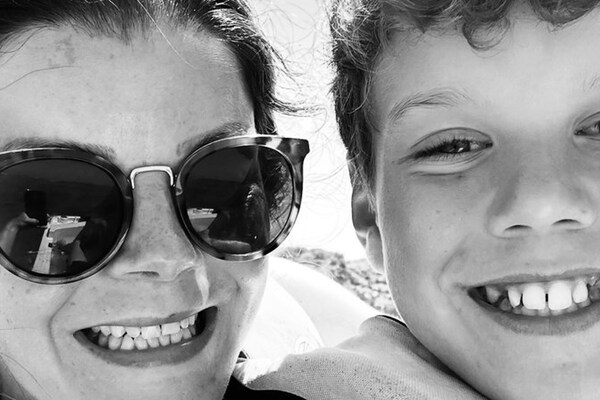
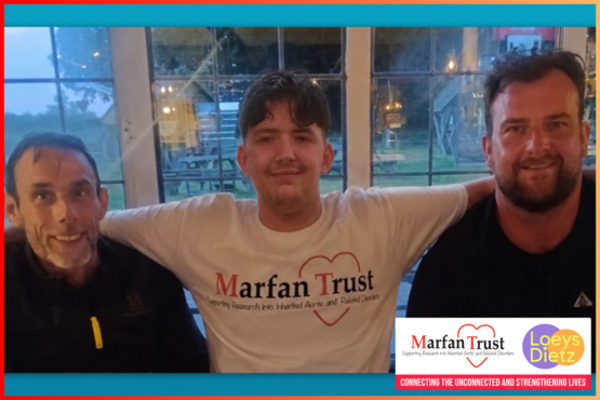
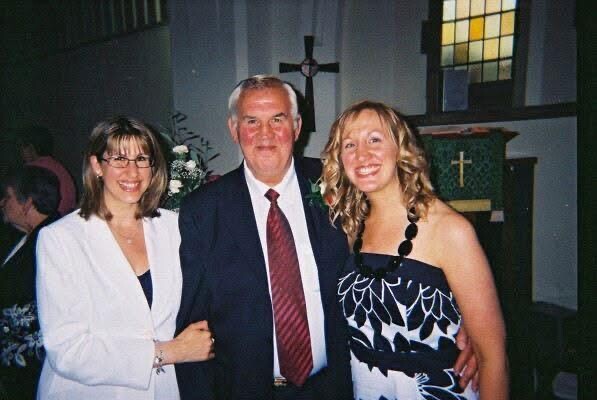
[Pictured l-r: Daisy's aunt, late grandfather and mother]