A single symptom led to an immediate diagnosis, revealing a hidden history in Dyani’s family. At fifteen, after suffering a pneumothorax (the first of nine) Dyani was told she had Marfan syndrome. Whilst the news was not welcome, she feels fortunate that she did not have to fight for a diagnosis. Read her story:
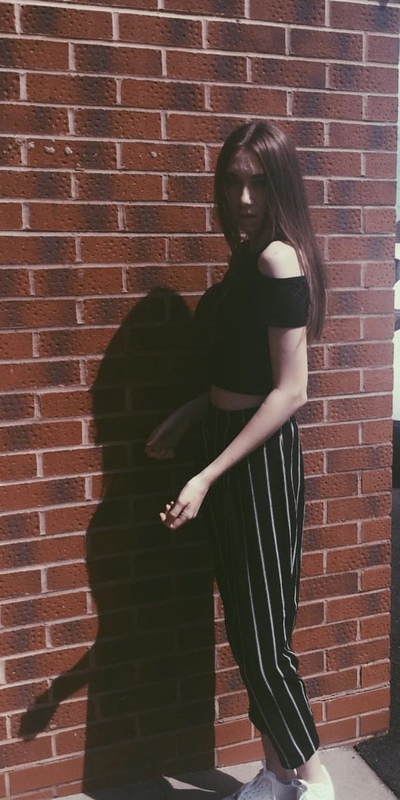
I consider myself very privileged to have been diagnosed with Marfan syndrome at the age of 15. I didn’t have to fight for years to receive a diagnosis; in many ways, it was almost handed to me on a plate.
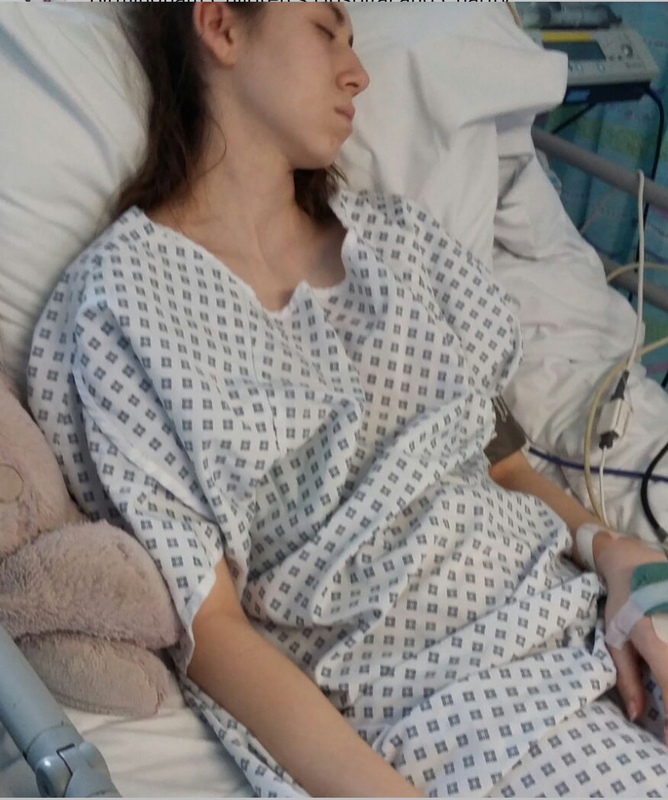
In 2018, I suffered a spontaneous pneumothorax (a collapsed lung), which is one of the possible lung complications of Marfan syndrome. Almost immediately, the doctors said, “We think you have Marfan syndrome.” My mum and I looked at each other in confusion, as we had never heard of it before. I have actually now suffered from 9 pneumothoraxes between the ages of 15 and 18. I had my first lung surgery at age 15, a bullectomy and pleurectomy. I do fear that was the most painful experience I’ve ever had. So going through it a second time after my 8th pneumothorax was a breeze, I knew exactly what to expect. I was a week into being 18, fresh into adult services. And in the middle of COVID lockdown, I was completely alone during this experience. I had a bullectomy and pleuradesis that time which has worked a charm! I haven’t had a pneumothorax for 5 years now! (Apart from a very very small one).
After further examinations and research of Marfan Syndrome, I couldn’t believe that this condition explained why I had always been taller than my peers at school and very skinny. I had also been bullied at school because of my height and build.
Genetic testing later confirmed that both my mum and I share the same mutation on the FBN1 gene. Our result came back as a Variant of Uncertain Significance (VUS); however, due to my physical symptoms, it was decided that our mutation is less common than the normal.
I think we all fear the words “genetic condition” because they can mean so many different things. When I was 15, I didn’t really understand what it meant. It just went over my head. I hadn’t been struggling with symptoms before, so it felt like it came out of nowhere. It was a real shock.
Now, at 23, I have a much deeper understanding of my body and my condition. In some ways that knowledge has empowered me, but sometimes I miss the innocence of being as unaware as I was back then.
Over time, I discovered that I had more symptoms of Marfan syndrome than I initially realised. I have scoliosis, pectus excavatum, flat feet, crowded teeth, a high-arched palate, long limbs, unexplained stretch marks on my back, hypermobility and chronic pain.
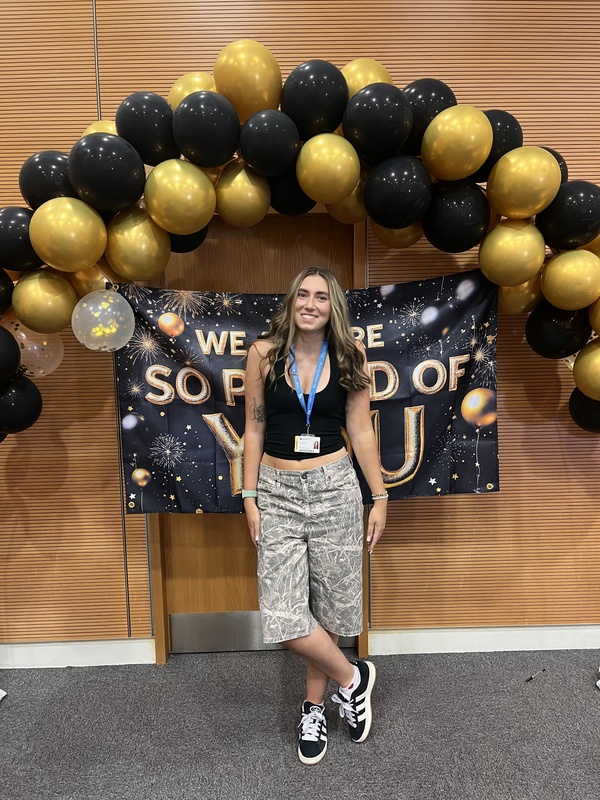
Day to day, Marfan syndrome affects me more than I expected, and more than I would like. I have just managed to get through four years of university, and it was a challenge. Not many people know about this condition, which makes it hard for others to sympathise or fully understand. I had many reasonable adjustments put in place; however, when you are actually there, it can feel very difficult to put them into practice for yourself, as I didn’t want to feel different from everyone else. I love to feel normal like my peers, I love to go out shopping, I love to go out for cocktails, I love to go out for a dance on the dance floor. But there are days I can do that all in one day or days I can’t do it at all and I feel like that’s the most frustrating part of this condition, it’s very unpredictable. But I don’t let it stop me from doing what I love!
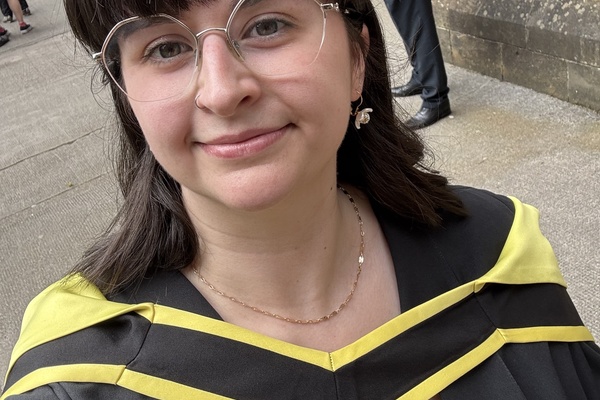
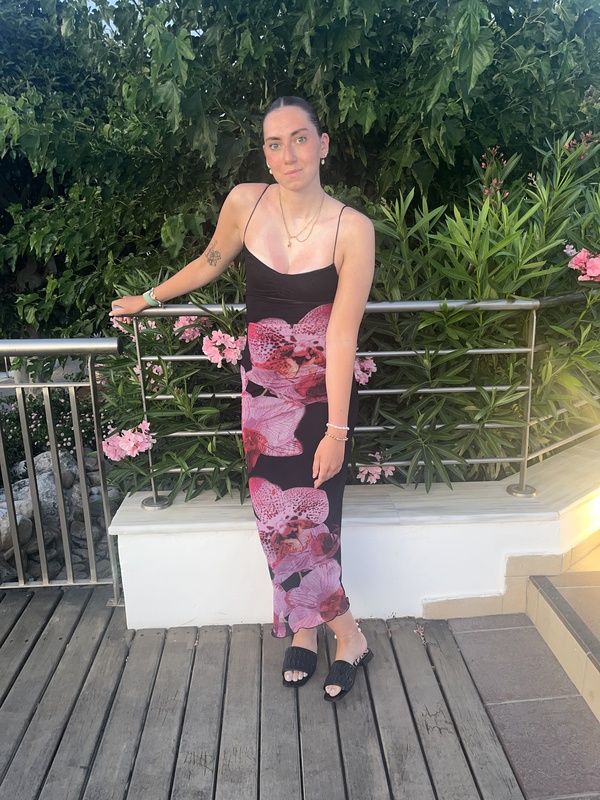
[pictured: Proud Dyani at her graduation party]
I’ve had many other surgeries due to Marfan syndrome. This year I’m due to have the Nuss procedure to correct my pectus excavatum, this is something I’m really looking forward to as I do struggle at lot with breathless and having multiple collapsed lungs doesn’t help much either.
Most days, I am grateful for my diagnosis, as I mentioned earlier, but there are also days when I wonder why this happened to me. I try my best to push those thoughts to the back of my mind. I set up a TikTok account to talk about my experiences with Marfan syndrome because when I searched for it myself, very little information came up. I enjoy talking about the positive sides of Marfan syndrome as well as the signs to look out for, for early diagnosis. My goal is to spread awareness and understanding of Marfan syndrome as widely as possible.
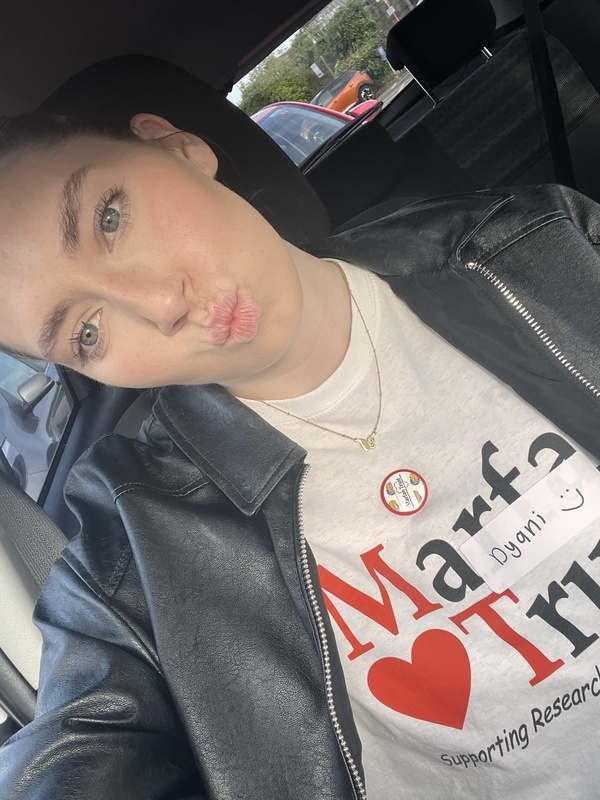
Through social media, I’ve made so many friends with the same or similar conditions as me. These are the people who genuinely know what it feels like to live with this condition. It was great meeting so many at the Marfan Trust Information Day in Birmingham! I’m hoping in the next few years to branch out and go to the American meet ups also!
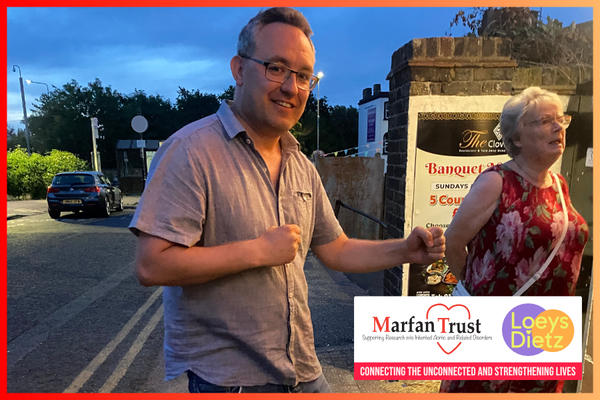
[pictured: Dyani at the Marfan Trust Patient Information Day in Birmingham]