Marfan syndrome is a complex genetic disorder affecting the body's connective tissue, and its most life-threatening complication is the progressive weakening and enlargement of the aorta, particularly at the aortic root. Without intervention, this can lead to a catastrophic tear, or dissection, of the aorta, often resulting in sudden death. The history of surgical treatment for this condition is a story of a dramatic shift from high-risk, reactive procedures to proactive, life-extending and valve-preserving operations, with the UK playing a significant role in this evolution.
Early Innovations: The Bentall Procedure
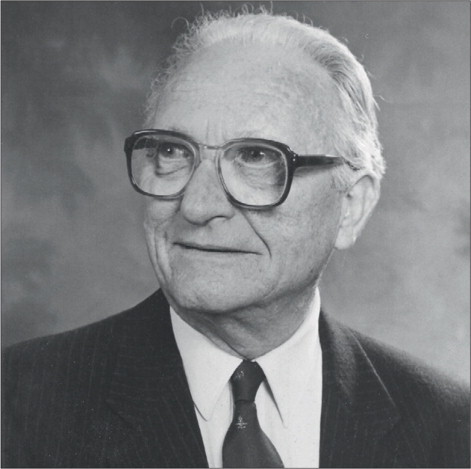
The foundation of modern aortic root surgery was laid in the late 1960s with the development of the "Bentall procedure" by UK surgeons Hugh Bentall and Antony De Bono. This groundbreaking operation addressed both the aneurysmal aortic root and the associated valve problems in one go. The procedure involves replacing the dilated aortic root with a composite graft - a synthetic tube with a pre-sewn mechanical heart valve. The coronary arteries are then re-implanted into the new graft.
For decades, the Bentall procedure was the gold standard for patients with Marfan syndrome and a dilated aortic root. It significantly improved life expectancy and was a major step forward from the grim prognosis of the pre-surgical era. However, a major drawback was the lifelong need for anticoagulation therapy (Warfarin) to prevent blood clots from forming on the mechanical valve, which carried its own risks and lifestyle limitations.

The Move to Valve Preservation
As surgical techniques and understanding of the disease evolved, surgeons began to question the necessity of replacing a patient's own, often structurally sound, aortic valve. This led to the development of "valve-sparing" procedures.
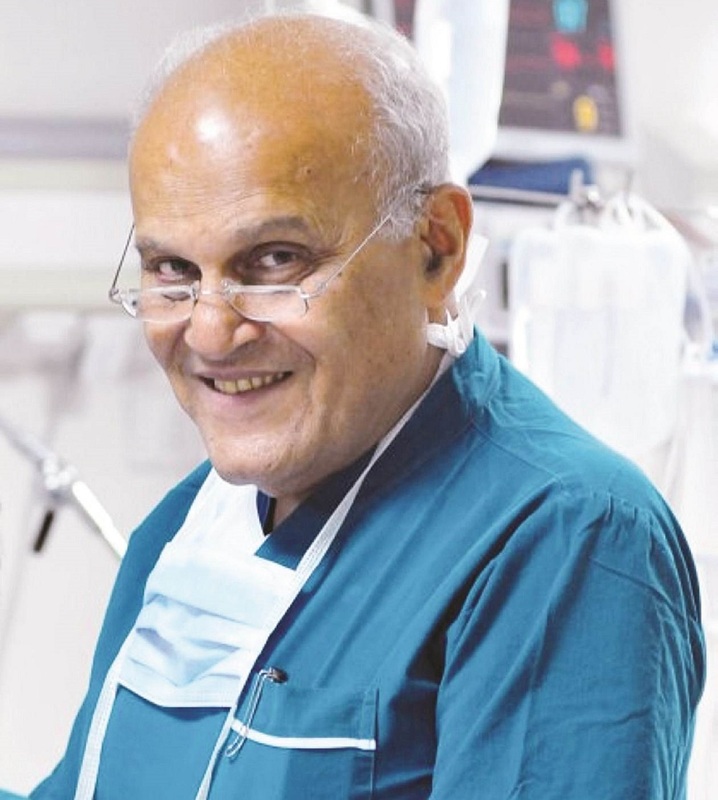
The two main valve-sparing techniques are the "David procedure" (reimplantation) and the "Yacoub procedure" (remodeling), both named after their pioneering surgeons, Tirone David and Sir Magdi Yacoub, a prominent UK-based cardiac surgeon. These operations replace the diseased aortic wall with a synthetic graft while preserving and re-suspending the patient's native aortic valve inside the new graft. This avoids the need for a prosthetic valve and, critically, the requirement for lifelong anticoagulation (Warfarin).
Valve-sparing root replacement has become a preferred option, particularly for younger patients with Marfan syndrome, as it allows for a better quality of life and avoids the long-term implications associated with blood-thinning medication. The UK has been at the forefront of adopting and refining these techniques, with major cardiac centres becoming international referral points for these complex procedures.
A UK-Led Patient-Driven Revolution: The PEARS Procedure
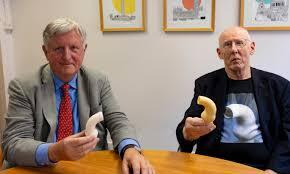
A truly unique and patient-led innovation in the UK is the Personalised External Aortic Root Support (PEARS) procedure. This story is an inspiring example of collaboration between a patient and a surgeon. Engineer Tal Golesworthy, who has Marfan syndrome, worked with his surgeon, Professor John Pepper at the Royal Brompton Hospital in London, to develop a new approach.
Recognizing that the problem was the weakening of the aortic wall itself, Mr Golesworthy used his engineering expertise to design a custom-made, 3D-printed mesh sleeve. This sleeve is placed around the outside of the existing aortic root, acting as a scaffold to prevent further dilation.
The PEARS procedure is a less invasive and less complex option than full root replacement. It does not involve any cutting or stitching of the aorta itself, and it preserves the native aortic tissue and valve completely. It is particularly suitable for patients with a smaller degree of dilation and no aortic valve issues. First performed in 2004 on Mr Golesworthy himself, the PEARS procedure highlights the UK's commitment to pioneering new, less invasive solutions, driven by a patient-centred approach.
References:
Sarsam MAI, Yacoub M. Remodeling of the aortic valve anulus. Journal of Thoracic and Cardiovascular Surgery. 1993;105(3):435-438.
David TE, Feindel CM. An aortic valve-sparing operation for patients with aortic aneurysm. Journal of Thoracic and Cardiovascular Surgery. 1992;103(4):618-621.
Bentall H, De Bono A. A technique for total replacement of the aortic valve and ascending aorta. Thorax. 1968;23(4):338-339.
Yacoub MH, Ahmed A, Hosny H, et al. A New Technique for Shaping the Aortic Sinuses and Conserving Dynamism in the Remodeling https://www.sciencedirect.com/science/article/abs/pii/S0003497520320294
https://www.ctsnet.org/article/yacoub-ii-valve-conserving-operation-aortic-root-remodeling
Connective tissue disorder and high-risk pregnancy: a case series with personalised external aortic root support (PEARS)
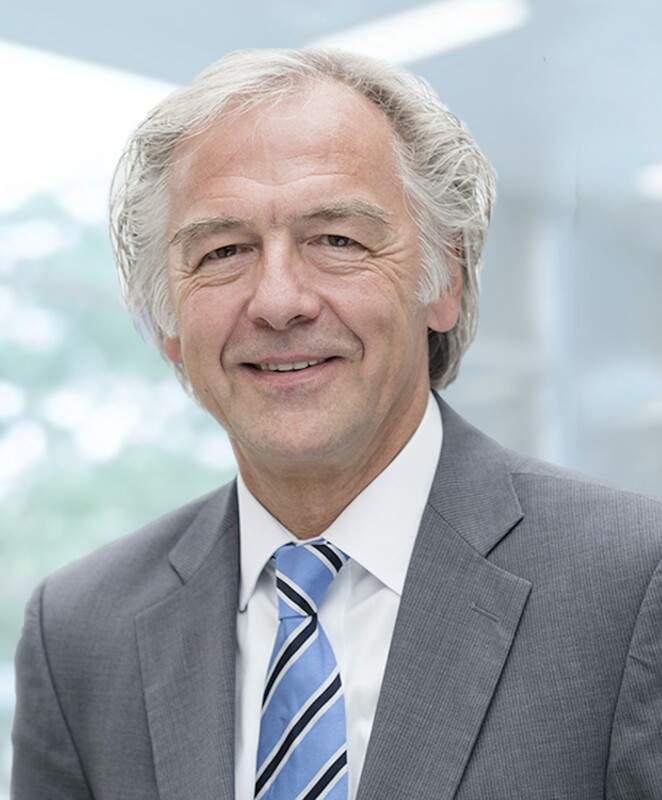
As PEARS is increasingly performed, research is steadily accumulating, and the most recent relates to pregnancy. Our Trustee, Consultant Cardiologist Professor Christoph Nienaber, is amongst the authors of a newly published article in Nature Magazine, and our synopsis is below.
This case series reports nine successful pregnancies in women with Marfan or Loeys–Dietz syndromes who had previously undergone the PEARS aortic root support procedure. No aortic dissections or maternal deaths were observed.
Aortic dimensions remained stable throughout pregnancy and postpartum, and no hypertensive pregnancy disorders occurred. Both vaginal delivery and Caesarean section were safely undertaken.
Although small, the study suggests PEARS may be a promising pre-conception option for selected women with aortopathy. Here is a link to Professor Christoph Nienaber’s full article. https://bit.ly/3KuSGwC