Talia and Esmay
Two generations of Marfan syndrome
Growing Up with Marfan Syndrome: My Childhood and My Daughter’s
I am 37 years old, and my daughter Esmay is 13. We both live with Marfan syndrome — the same diagnosis, but childhoods shaped by very different times.
When I was growing up, Marfan syndrome wasn’t something that was openly explained or regularly discussed with me. Information was often shared between adults, and I was told only what was felt necessary at the time — sometimes very little. Medicine wasn’t as advanced then, and care felt more limited: an explanation of the features, a list of risks, and the occasional follow-up appointment. There wasn’t the same emphasis on ongoing monitoring or helping children understand their own condition.
I attended appointments, but I didn’t always understand their purpose. Heart scans and eye tests didn’t carry the same routine importance they do now, and conversations about long-term care were rare. Much of my understanding came later in life, as I began to fill in the gaps that were never explained to me as a child.
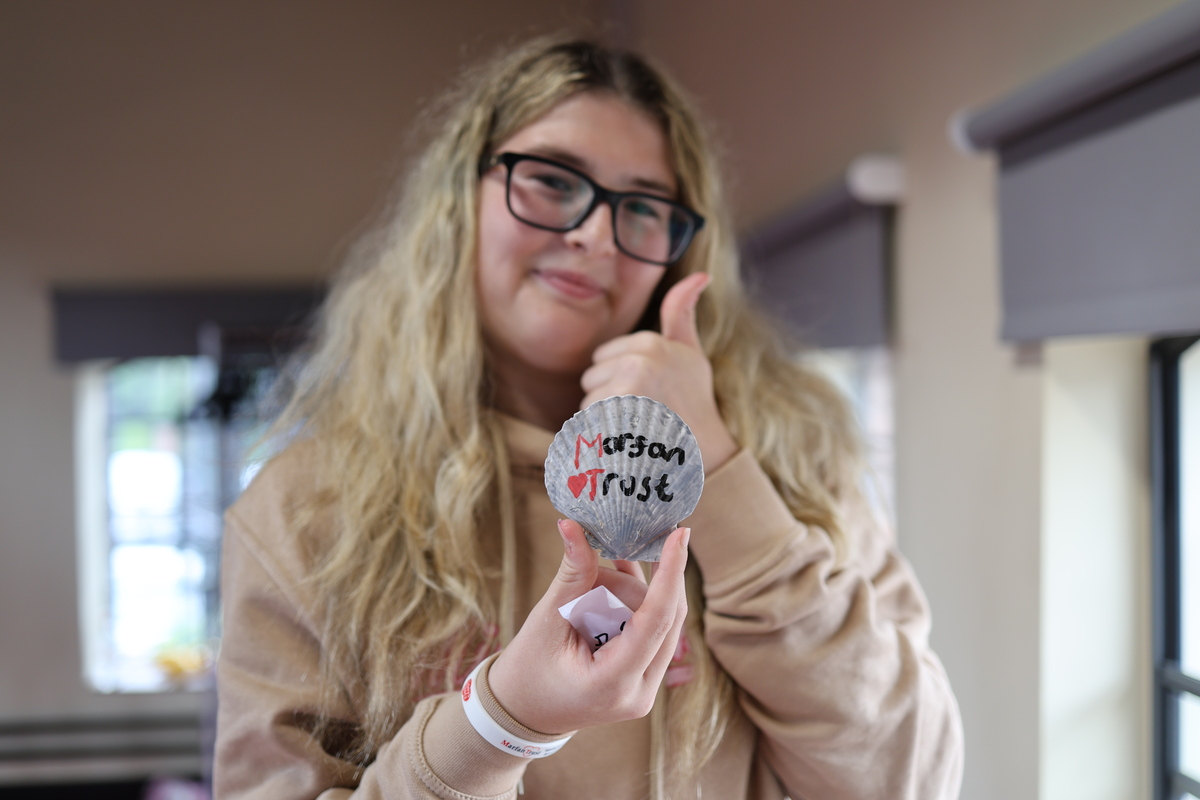
Esmay’s experience has been very different. She has grown up with regular follow-ups and clear explanations about why heart scans, eye tests, and ongoing monitoring matter. She is included in conversations about her health and encouraged to ask questions. Advances in medicine mean her condition is carefully watched, rather than only responded to when problems arise, and that knowledge brings reassurance.
As a parent, this has made me reflect on how much has changed. It’s comforting to see the progress in care and communication, and to know that children growing up with Marfan syndrome today are supported in ways that weren’t always possible before.
Marfan syndrome still brings challenges — for both of us. There are ongoing appointments, moments of concern, and the need for lifelong monitoring. But there is also reassurance in knowledge, consistency in care, and the understanding that support exists.
Our shared diagnosis connects us across generations, but our experiences show how far medicine, awareness, and attitudes have come. While Marfan syndrome itself hasn’t changed, the way it is understood and managed has — and that difference can shape a child’s experience in many ways.