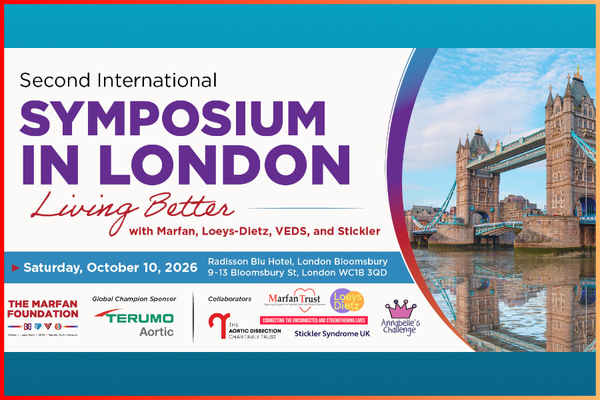
Equal parts informative, friendly and fascinating, our joint symposium in London was a highly momentous day, bringing patients and professionals together for conversation, connection and learning. New friendships were forged and knowledge was gained. It was wonderful!
The Marfan Trust was proud to collaborate with the Marfan Foundation, Annabelle's Challenge, the Aortic Dissection Charitable Trust and Stickler UK on this important day. Our favourite part was meeting supporters and their families. Here are some titbits and a glimpse into what went on!
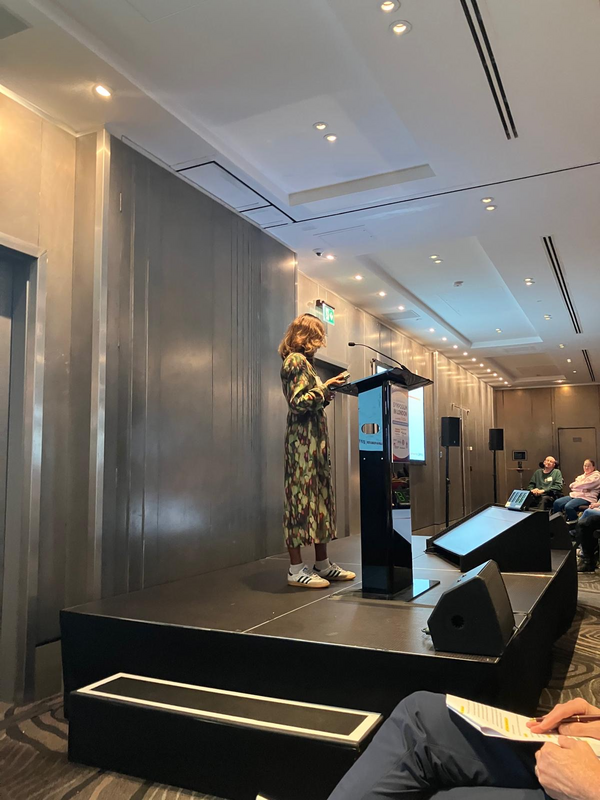
Genetics/Overview of the Conditions: Dr Neeti Ghali:
From the top… Clinical geneticist Dr Neeti Gali went back to basics, exploring the genetics underlying Marfan, Loeys–Dietz, vascular Ehlers–Danlos and Stickler syndromes, busting myths and clarifying facts.
Myths Busted:
Myth: Rare conditions are rare...
Fact: It's true that rare conditions are individually uncommon but collectively they are common, affecting millions of people worldwide.
Myth: If your symptoms seem mild you don't need monitoring.
Fact: Even if your symptoms seem mild, regular monitoring is essential.
As revolutions in genetics emerge, more will be known about a patient's particular variant, and a VUS (variant of uncertain significance) is not a dated document but a dynamic one that can be revisited every three or so years.
The human genome contains 46 chromosomes in most cells, around 20,000 protein-coding genes and approximately 3.2 billion base pairs in one set of chromosomes. If stretched out, the DNA in a typical human cell would measure roughly two metres (around six feet).
Research Update: Dr Bart Loeys
Giving us a glimpse into cutting-edge research, Dr Bart Loeys discussed the condition bearing his name and how it affect many parts of the body, with symptoms varying widely between individuals.
Dr Loeys gave us a whistlestop tour of some of the current research that he thinks has exciting potential in the world of Marfan and Loeys Dietz syndromes. New imaging capabilities allow specialists to look beyond just the absolute diameter of the aorta as a measure. We can now look in more detail at growth over time, lengthening of the aorta, the wall stress and the shape of the aorta all which may give further clues about who is at greater risk of aortic dilatation and dissection.
There have been trials looking at a well known drug 'Allopurinol' that is currently used to treat gout. In mouse models, there have been promising results that suggest Allopurinol blocks an enzyme that is overactive in Marfan syndrome and could therefore contribute to slowing aortic growth. Research is needed to extend the work as at present it has only been shown in mice. Watch this space!
PEARS Update
PEARS (Personalised External Aortic Root Support) pioneer Tal Golesworthy described the genesis and evolution of his life-saving invention. The number of patients treated with his made-to-measure external support for the ascending aorta has now reached 1,971, across many different countries.
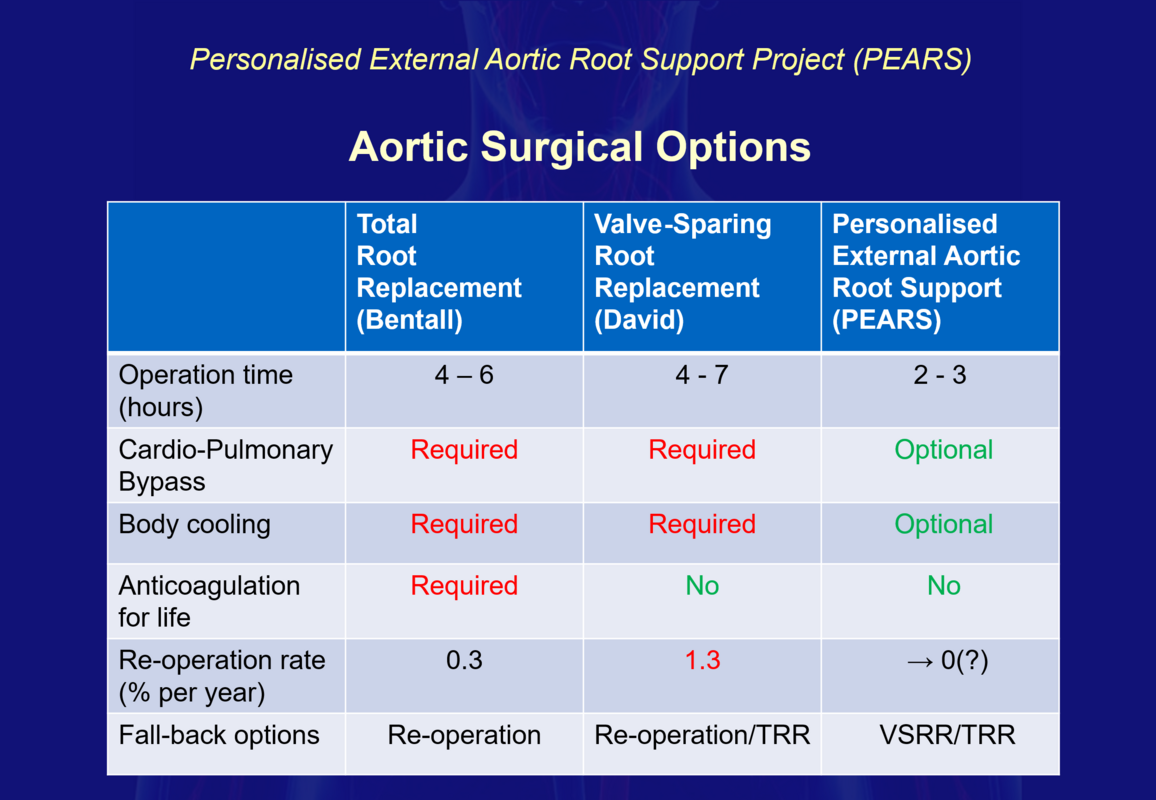
The PEARS procedure involves surgically implanting the bespoke support around the ascending aorta, where it becomes incorporated into the adventitia and new microscopic blood vessels grow directly through the pores of the mesh, maintaining the blood supply to the outer layers of the aortic wall. It is an elegant, unobtrusive alternative to traditional operations, sparing patients the need for anticoagulation and heart bypass. Children can only be treated once their aorta has reached adult size.
The below slide gives a general indication of the probably surgical and other implications of three surgical options.
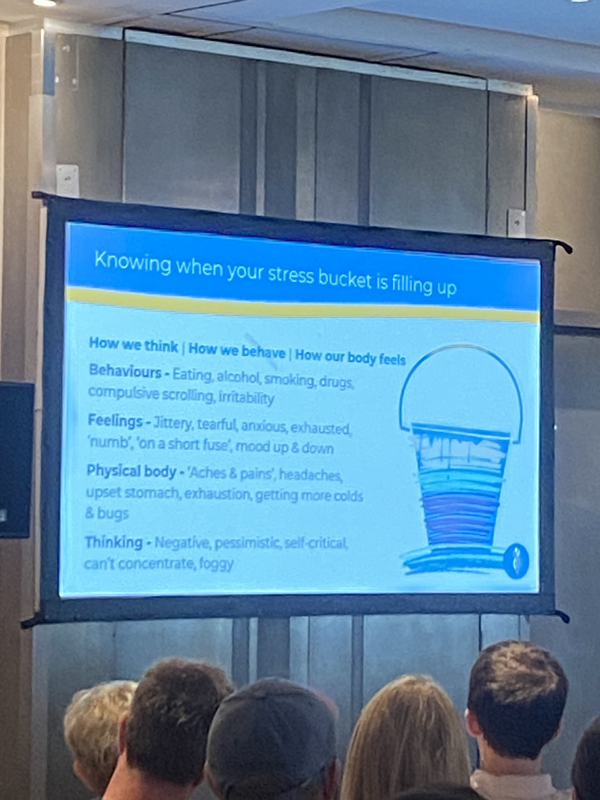
Rare Minds emerged in 2020 to fill a void in support for people living with rare conditions. This wonderful charity brings care, insight and collaboration to the rare disease community, offering services shaped around the needs of organisations and their leaders, industry partners, healthcare professionals, and the people and families at the heart of it all.
Zubyda Azzam from Rare Minds joined us on Saturday to share a fount of knowledge and practical tips for looking after your mental health, from breaking big tasks into smaller, more manageable steps to asking for help when you can, from whoever you can
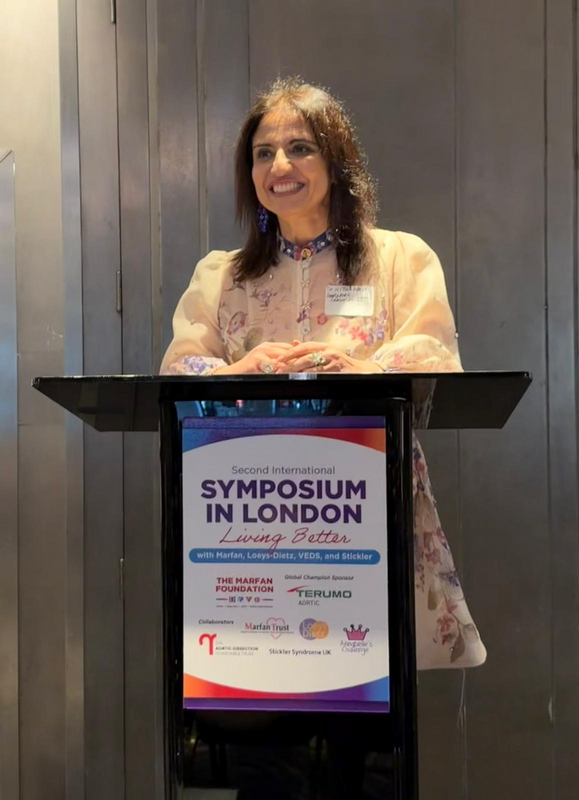
Fatigue and Pain: Dr Nitha Naqvi (Consultant Cardiologist), Joanne (nurse specialist) and Kannan, (a keen final year medical student) and Dr Nitha Naqvi (Consultant Cardiologist) ran a breakout session in the afternoon to talk about the debilitating symptom of Fatigue in connective tissue disorders. They presented some of the data from work the Marfan Trust has recently done showing that around 82% of people with LDS or MFS reported that fatigue either somewhat or extremely affects their quality of life.
They talked through some of the mechanisms thought to be linked to fatigue as well as some strategies and tips for trying to manage symptoms. There was a lot of really useful input from the audience who were able to share their lived experience and talk about what they found helpful. Everything from meal prepping to ensure good quality nutrition, to making sure you have a good chair at work to making a weekly plan and prioritising what is most important to you. Joanne, Nitha and Kannan learnt volumes from our amazing supporters as always!
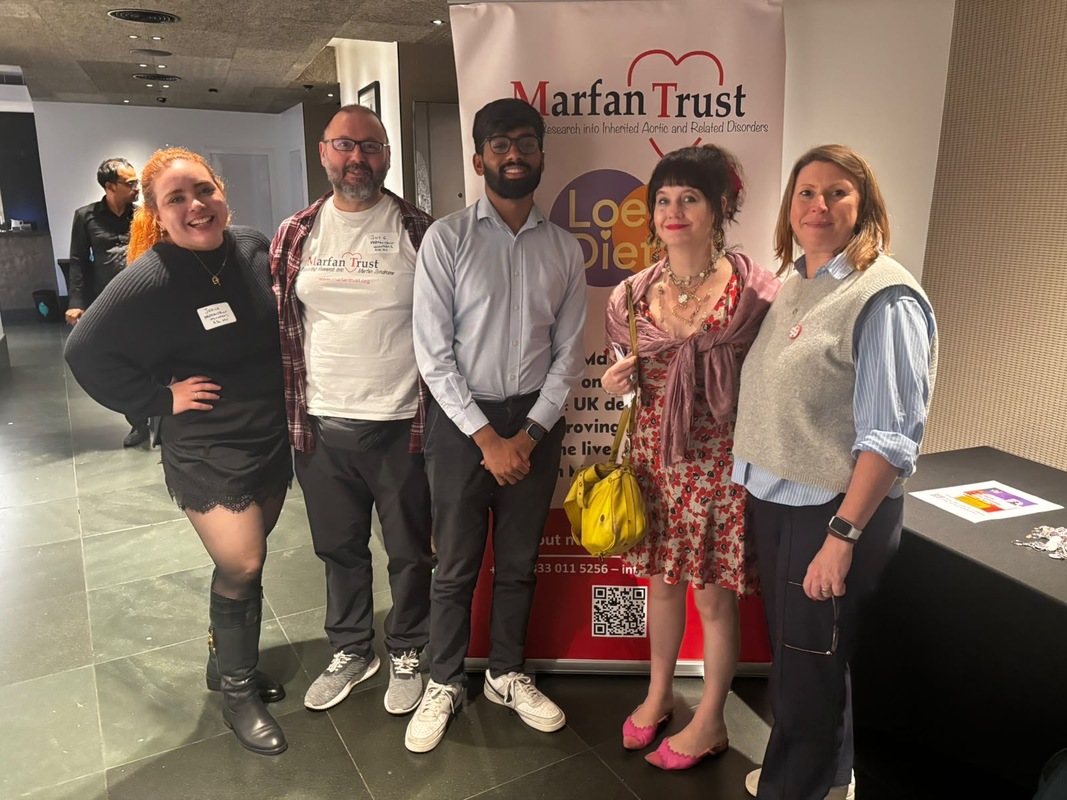
The Marfan Trust Team!
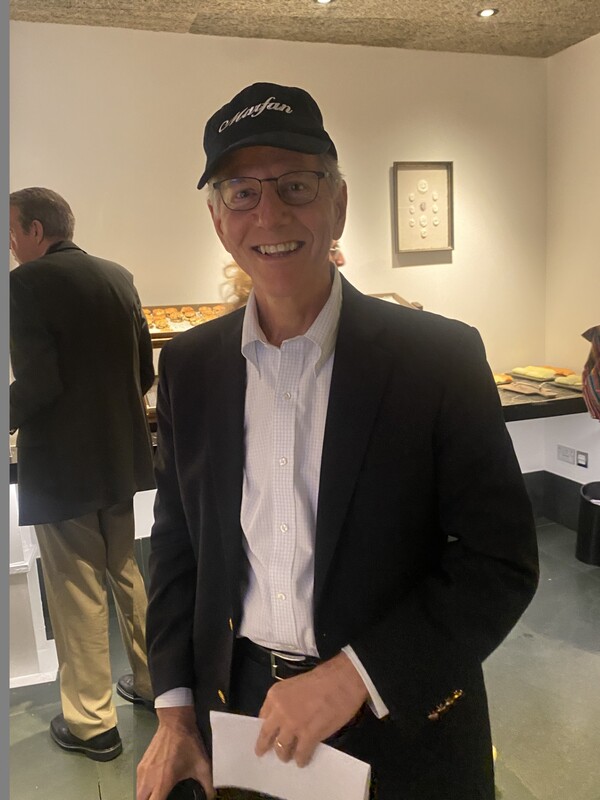
Cardiologist and Emcee for the Symposium Dr Alan Braverman from St Louis Missouri was taken with our Marfan hat and bought one!
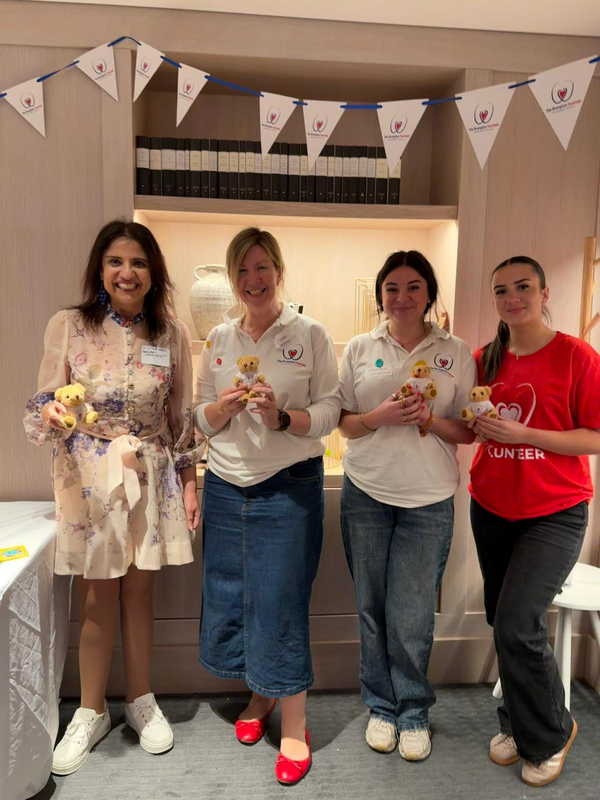
Trudy, Harriet and the rest of the wonderful Brompton Fountain team kept the children creatively occupied so their parents could listen to the lectures. Thank you!