Mary, Queen of Scots
Did the enigmatic, controversial monarch have Marfan syndrome?

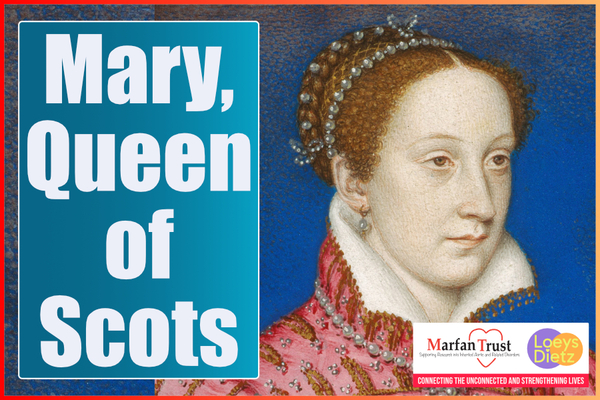
In the momentous sixteenth century, Europe witnessed the height of the Renaissance just as the Reformation ushered in profound religious change. It was an age largely governed by men, yet a small clutch of Renaissance queens exerted considerable influence, among them Elizabeth I of England and Mary, Queen of Scots
The daughter of James V of Scotland, of the ruling Stewart dynasty, Mary became queen in 1542. Artistic and cultivated, she was educated in France before returning at nineteen to a Scotland now largely Protestant and deeply divided. Her abiding ambition was to succeed Elizabeth to the English throne.
Yet her reign ended in forced abdication in 1567, after she was implicated in the murder of her second husband, Lord Darnley. She fled the scene with James Hepburn, Earl of Bothwell, soon to become her third husband and this act sealed her fate. Imprisoned for nineteen years under Elizabeth’s watch, she was ultimately executed.
Strikingly slender and graceful, Mary stood at around five feet eleven inches, both eye-catching and poised. Portraits depict her with alabaster-pale hands and long, delicate fingers. She is known to have suffered from debilitating arthritis, possibly osteoarthritis probably exacerbated by years of confinement in cold, damp surroundings. It was her arthritis that prompted a medical historian in the 1980s, medical historians to explore the fact she may have had MFS.
Either way, the controversial queen's image continues to cast a romantic spell today, enhanced by the sumptuous Renaissance garments that flattered her tall, elegant frame.